

Should Writers Use A Pen Name?
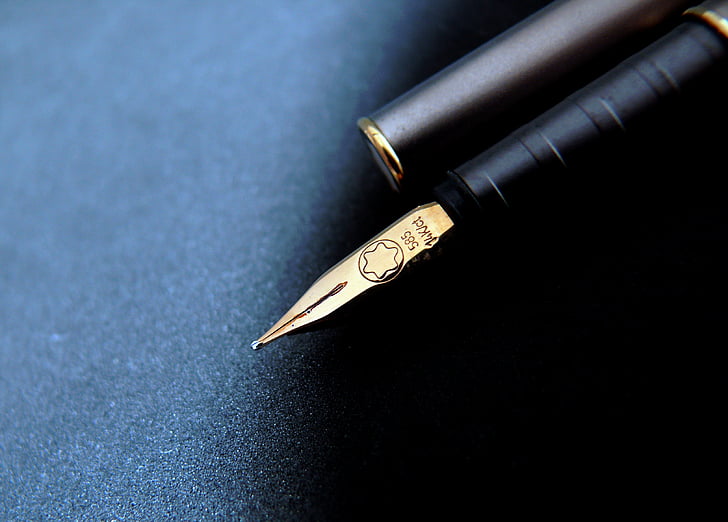
Writing is an art that requires courage and creativity. Nowadays, many writers face the problem of identity when they write. This is why the concept of pen names has become popular among many authors. The notion of using a pen name has been around for centuries, and many famous writers have used pseudonyms for various reasons. While some writers prefer to use their real name when publishing their work, others feel more comfortable using a pen name. In this article, I will explore the advantages and disadvantages of using a pen name, and whether or not writers should use them.
Firstly, one of the main advantages of using a pen name is anonymity. Writers who don't want their identity known can use a pseudonym to avoid being recognized. This is particularly useful if the writer wants to keep their personal life separate from their work. Moreover, using a pen name can also protect a writer from possible harm or criticism. Some writers may feel more secure using a pen name, especially when writing controversial or provocative material.
Secondly, a writer may choose to use a pen name to maintain privacy. Writing can be a personal and intimate activity, and some writers may feel uncomfortable with the idea of their private identity being associated with their work. In such cases, a pen name can help to create a sense of separation between their work and their identity. By using a pseudonym, a writer can maintain their privacy without compromising the quality of their work.
Thirdly, a pen name can also be used for branding purposes. Many writers have used a consistent pen name to establish a recognizable brand. This can help readers to easily find and identify a writer's work. A pen name can also create a unique and memorable personality that readers can associate with the writer's work. This can be particularly useful for writers who write in more than one genre or with different styles.
Fourthly, using a pen name can also help writers overcome discrimination and prejudice. People may judge others based on their ethnicity, gender, or sexual orientation. In such cases, writers who belong to a marginalized community may feel more comfortable using a pen name to avoid facing any potential bias. This can help the writer to focus on their work and ensure that they are not judged unfairly.
Fifthly, using a pen name can also mean that writers can experiment with different styles and genres. If a writer is known for writing in a particular genre, it can be difficult to switch to something new without risking losing their readership. However, by using a pen name, a writer can create a new identity, and experiment with different styles or genres without affecting their established readership.
On the other hand, there are also some disadvantages to using a pen name. For one, it may lead to confusion among readers who are used to a writer's real name. If a writer has used a pen name for many years and then decides to publish under their real name, it may take some time for readers to make the connection between the two names.
Secondly, using a pen name can also be an administrative challenge. It may require additional effort to set up a separate author profile and to ensure that all the new work is attributed to the pen name. This can be particularly challenging for writers who have already established their reputation under their real name.
Thirdly, using a pen name can also lead to a lack of consistency in the writer's body of work. If a writer uses different pen names for different genres or styles, it may be difficult for readers to associate them with a particular type of writing. This may lead to confusion and make it harder for the writer to establish a brand or reputation.
Fourthly, using a pen name can also lead to a lack of accountability. If a writer is not associated with their work, they may be less responsible for the content or quality of what they write. This can make it easier for them to produce sub-par work or to take risks that they may not have taken under their real name.
Finally, using a pen name can also be costly. It may require additional expenses for creating a new author profile, building a new website, or marketing the new pseudonym. This can be a significant expense for writers who are just starting out or are struggling to make a living from their work.
In conclusion, there are both advantages and disadvantages to using a pen name, and the decision to use one ultimately comes down to personal preference. Writers should carefully consider the pros and cons of using a pen name and decide whether it is a good fit for their needs. For those who value anonymity, privacy, branding, experimentation, and freedom from discrimination, a pen name may be a wise choice. However, for those who value consistency, accountability, reputation, and simplicity, using their real name may be the best option. Ultimately, the most important thing is to focus on the quality and creativity of the writing, rather than the name behind it.