

Why reading comic books can change your life (in better)?
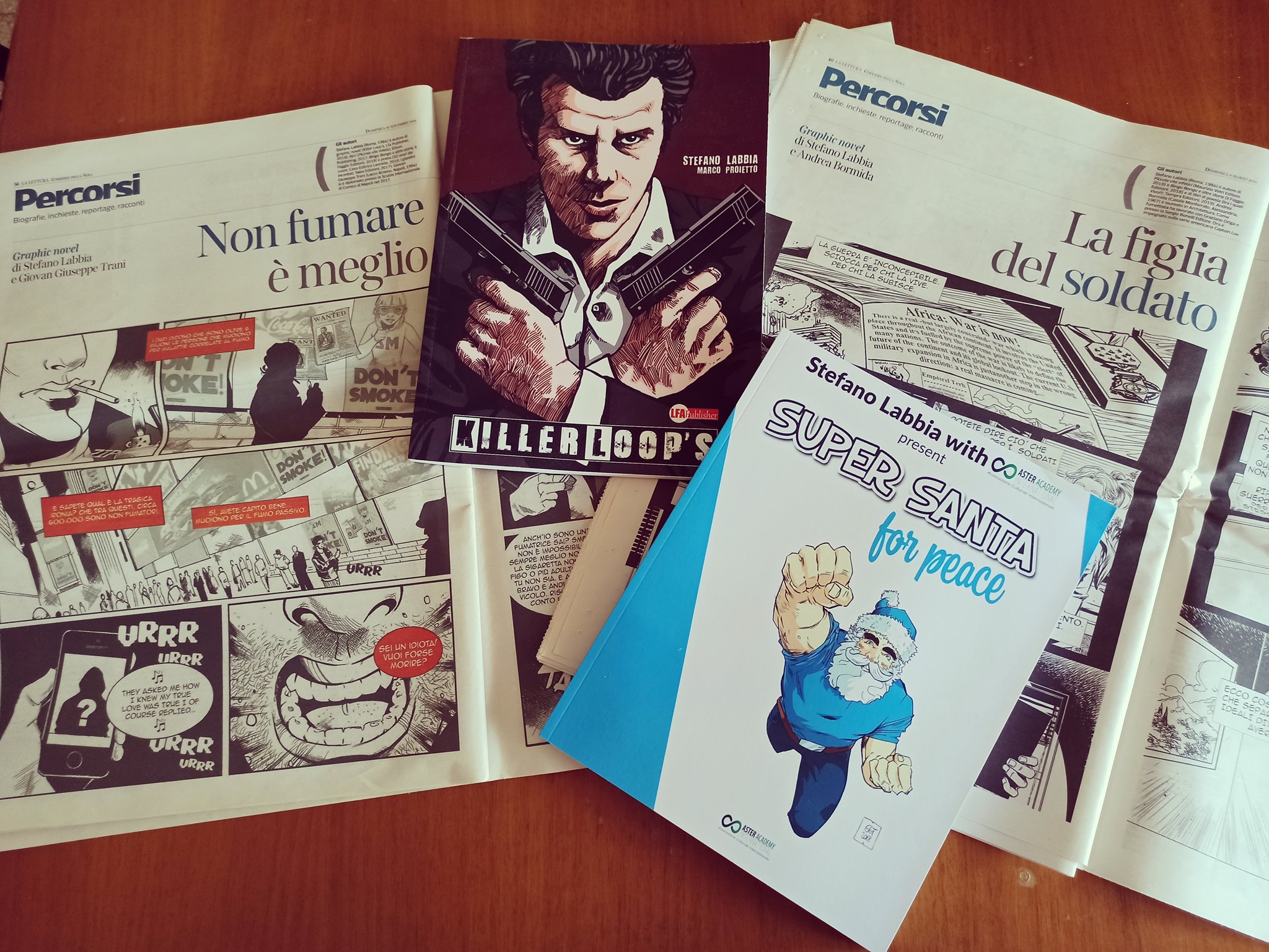
Comic books have always been considered a form of entertainment for both children and adults. However, there is a hidden gem in the world of comic books that most people overlook - its ability to change lives for the better.
Firstly, comic books have a way of introducing complex social issues in a simple, approachable manner. For instance, the Marvel comic series, "X-Men," introduced readers to themes of racial inequality, prejudice, and discrimination. This allowed readers to understand and empathize with many societal issues and become more aware of their biases.
Secondly, reading comic books can have a positive influence on mental health. Comic books often feature superheroes who battle their inner demons, such as anxiety and depression. Such characters can serve as relatable role models, showing readers that despite their problems, they can overcome their obstacles and emerge stronger.
Thirdly, reading comic books can help improve one's reading comprehension, especially for children. The visual elements in comic books can aid in comprehension, making it easier for children to understand complex concepts and vocabulary.
Fourthly, comic books can be used as a means of escapism. They transport readers to a different world, allowing them to immerse themselves in a new story and forget their problems for a while. This can be especially beneficial for people battling mental health issues, as it can provide them with temporary relief.
Fifthly, the comic book industry has been instrumental in promoting diversity and inclusion. In recent years, we have seen an increase in the representation of marginalized groups in comic books, such as the LGBTQ+ community, people of color, and individuals with disabilities. This has helped promote acceptance and understanding among readers.
Sixthly, reading comic books can help develop critical thinking skills. Comic book storylines often involve complex plotlines and character arcs, which encourage readers to analyze and interpret events in the story. This can help sharpen critical thinking skills and promote problem-solving abilities.
Seventhly, comic books can provide an introduction to historical events and figures in a way that is both educational and entertaining. For example, "Maus" by Art Spiegelman made use of a graphic novel format to tell the story of the Holocaust and its survivors. This visually engaging format helped create a more personal connection to the events than traditional formats of history textbooks.
Eighthly, reading comic books can help promote creativity, both in terms of writing and visual art. The unique visual and storytelling elements of comic books can inspire readers to create their comic book stories or to pursue careers in art and literature.
Ninthly, the collaborative nature of the comic book industry can also help promote teamwork and collaboration skills. Comic book creators often work in teams, which encourages collaboration among members to create the best possible story. This can promote effective communication, problem-solving, and cooperative skills.
Finally, comic books can provide a source of inspiration for readers, particularly young readers. Superheroes, in particular, can serve as role models, instilling values such as courage, perseverance, and compassion in young readers. This can help mold them into better individuals, both personally and socially.
In conclusion, comic books have the power to change lives for the better. From promoting diversity to improving mental health and critical thinking skills, the benefits of reading comic books are vast and varied. Comic books can be an excellent source of entertainment and education, and with its potential ability to transform lives, it is high time we recognize the literary value of comic books.